• 9 mins read• Umar Hussain
How to Follow Up After an Interview: What Employers Actually Expect
The interview may be over, but your communication with the employer is not. A thoughtful follow-up email after an interview gives you a chance to thank the interviewer, confirm your interest, and understand the next steps. The key is to contact the right person at the right time without sending repeated messages.
Knowing how to follow up after an interview also means understanding the purpose of each message. A thank-you email serves a different purpose from a later request for a hiring update. This article explains when to send each message, what to include, and how to respond when an employer takes longer than expected.
What Employers Expect After an Interview
Most employers expect clear and respectful communication. They do not need a lengthy email or another sales pitch. A useful follow-up shows that you value their time, listened during the conversation, and remain interested in the position.
Your message should also respect the company's hiring process. If the interviewer gives you a date for the next update, use that as your guide. If the company asks you to contact a specific person, follow those instructions.
Communication gaps remain a concern throughout recruitment. According to Survale's 2025 Candidate Experience (CandE) Benchmark Research: Fact Sheet & Key Statistics, 31% of North American candidates reported not hearing back from employers for one to two months or longer after applying in 2025. This finding highlights why clear communication and realistic hiring timelines matter to job seekers.
A well-written message can reinforce a positive impression. However, it cannot guarantee a job offer or speed up the hiring decision.
When to Send an Interview Follow-Up Email
The right timing depends on the type of message and the timeline the employer shares.
Send a Thank-You Email Within 24 Hours
Send a thank-you email on the day of your interview or by the following day. This gives you a chance to express appreciation while the conversation is still fresh.
If you interviewed with several people, send each person a separate message when you have their contact information. Mention a specific detail from each conversation to make your emails personal.
If you do not have an interviewer's email address, ask the recruiter to pass along your thanks.
Wait for the Employer's Decision Timeline
Before the interview ends, ask when the team expects to make a decision or share the next steps. Their answer gives you a reasonable timeframe for your next check-in.
If the employer says you will hear back by Friday, allow a couple of business days after that date before asking for an update. If the interviewer does not provide a timeline, waiting about one week after the interview is a practical starting point.
Remember that hiring schedules can change. Treat these timeframes as general guidance rather than fixed deadlines.
Send One Final Message If You Receive No Reply
If your status inquiry receives no response, wait about another week before sending one final message. Keep it brief and professional.
After that, give the employer space and continue your job search. Repeated emails asking for the same update rarely add value.
What to Include in a Thank-You Email After an Interview
A good thank-you email is specific, brief, and easy to read. Include these essential elements:
Clear subject line: Use a simple phrase such as "Thank You for the Interview – [Job Title]."
Personal greeting: Address the interviewer by name and use an appropriate level of formality.
Genuine appreciation: Thank them for their time and the opportunity to discuss the position.
Conversation reference: Mention a project, team goal, or responsibility that interested you.
Relevant qualification: Briefly connect one of your skills or experiences to the role.
Professional closing: Confirm your interest and offer to provide additional information.
Avoid turning your message into another cover letter. You do not need to repeat your resume or list every qualification. Focus on one relevant connection from your conversation.
Example: Thank-You Email After an Interview
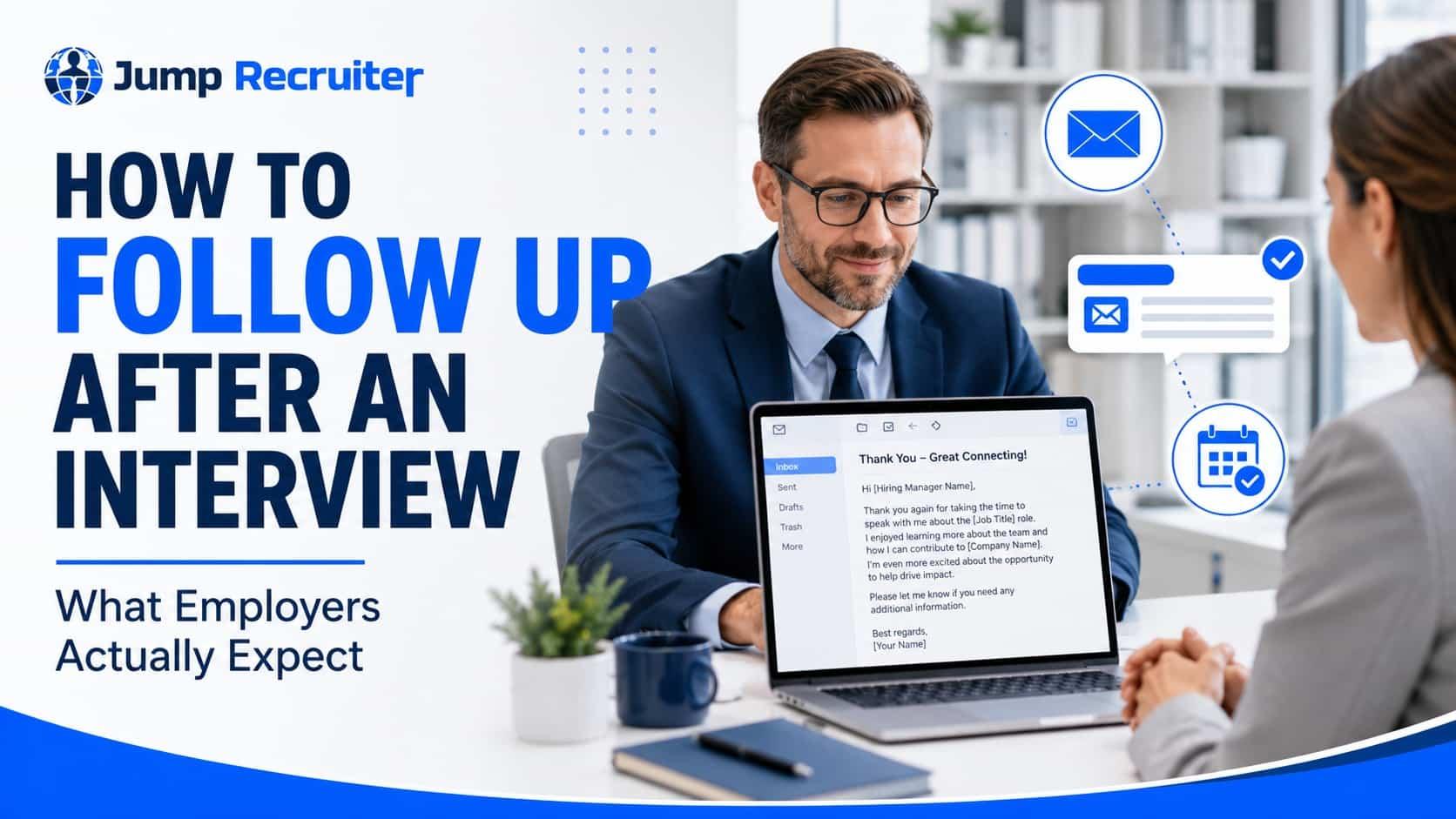
Subject: Thank You for Meeting About the [Job Title] Role Hi [Interviewer's Name], Thank you for taking the time to speak with me about the [Job Title] position. I enjoyed learning how the team is approaching [specific project or responsibility]. Our conversation made me even more interested in the role. My experience with [relevant skill or task] would help me contribute to the work we discussed. Please let me know if I can provide any additional information. Thank you again, [Your Name] |
How to Follow Up in Different Interview Situations
Your message should reflect the type of interview you completed. You can use these suggestions to adjust your communication.
After a Phone or Video Interview
Keep your message concise. Thank the interviewer for the conversation, mention one useful detail, and confirm your interest in the position.
If a technical issue interrupted the meeting, briefly acknowledge it and clarify any important point that remained incomplete.
After a Panel Interview
Send individual thank-you messages to panel members when possible. Refer to a topic each person raised instead of sending identical emails.
If you only have the recruiter's contact information, ask them to share your appreciation with the interview panel.
After a Second or Final Interview
Show that your interest has continued as you learned more about the position. Mention a responsibility, team priority, or business goal discussed during the latest meeting.
Avoid repeating the exact message you sent after your first interview. Give the employer a fresh reason to remember your conversation.
When You Need to Clarify an Answer
If you left out an important detail, add a brief clarification to your thank-you email. For example, mention a relevant project that demonstrates a skill the interviewer asked about.
Keep the explanation focused. You do not need to revisit every answer you wish you had delivered differently.
What to Write When You Have Not Heard Back
If the employer's expected response date has passed, send a polite status inquiry to the recruiter or person coordinating the interviews.
Keep your email short. You are asking for an update, not demanding a decision.
Example: Email After an Interview With No Update
Subject: Checking In About the [Job Title] Position Hi [Name], I hope you're doing well. I wanted to check in about the [Job Title] position after our interview on [date]. I'm still interested in the opportunity and would appreciate any update you can share about the hiring timeline or next steps. Please let me know if you need anything else from me. Thank you, [Your Name] |
If the employer provides a revised timeline, thank them and wait until that date passes. Avoid sending another message a day or two later.
How to Handle Another Job Offer or a Rejection
If You Receive Another Job Offer
Contact the employer sooner if you have a genuine offer deadline. Explain the situation honestly and confirm that you remain interested in the position.
Example:
Hi [Name], I wanted to share a quick update. I have received another offer and need to respond by [date]. I remain very interested in the [Job Title] opportunity with [Company]. Would it be possible to share an update on your hiring timeline before then? Thank you for your time, [Your Name] |
The employer may provide an update or explain that its process will take longer. Use that information to make an informed decision about the offer you already have.
If the Employer Selects Another Candidate
Respond with a brief thank-you. You can also express interest in future openings that match your experience.
Example:
Hi [Name], Thank you for letting me know. I appreciate the opportunity to meet with the team and learn about the position. I enjoyed our conversation and would be glad to be considered for future roles that match my experience. Best, [Your Name] |
A professional response can also leave a positive impression for future opportunities. According to the Greenhouse State of Job Hunting 2024, 79% of U.S. candidates said they would be more likely to apply for future openings with a company if they received feedback after an interview, even when they were not selected. This finding highlights the value of respectful communication after a hiring decision.
If you want to handle this situation professionally, see our guide on job rejection email responses.
Follow-Up Mistakes to Avoid
A professional follow-up should make communication easier for the employer. Avoid these common mistakes:
Sending repeated messages: Give the employer enough time to respond before checking in again.
Ignoring the stated timeline: Respect the date or instructions the interviewer provided.
Writing lengthy emails: Keep each message focused on one purpose.
Using unclear subject lines: Include the job title so the recipient can identify the conversation.
Contacting several employees: Use the recruiter or main contact unless the employer directs you elsewhere.
Sounding demanding: Ask politely about next steps instead of requesting an immediate decision.
Pausing your job search: Continue applying and interviewing while you wait.
After sending your follow-up, use the waiting period to prepare for other opportunities. Reviewing interview question examples can help you prepare clear answers and feel more confident in upcoming interviews.
A follow-up email is one part of your professional communication. It can reinforce your interest, but the employer still needs time to assess candidates and complete the hiring process.
To Conclude!
Following up after an interview is a simple way to show appreciation and maintain professional communication. Send your thank-you email within 24 hours, respect the employer's hiring timeline, and keep later messages brief and relevant. If you do not receive an update, send one final follow-up and continue exploring other opportunities. A thoughtful approach helps you leave a professional impression at every stage of your job search.
FAQs
Is It Too Late to Send a Thank-You Email After an Interview?
No, you can still send a thank-you email after 48 hours. Briefly acknowledge the delay and thank the interviewer for their time. A thoughtful late message is better than sending nothing.
When Should I Avoid Sending an Interview Follow-Up Email?
Avoid sending one if the employer has asked you not to make contact. You should also respect any specific waiting period they have provided before requesting an update.
Can I Follow Up on LinkedIn if I Don't Have the Interviewer's Email?
Yes, you can send a polite LinkedIn message to thank the interviewer and express your interest. If a recruiter arranged the interview, you can also ask them to pass along your message.
Should I Send a Separate Follow-Up Email After a Phone or Video Interview?
Yes, a short thank-you email is appropriate after both phone and video interviews. Mention something specific from the conversation and confirm your interest in the position.
What Should I Do if I Have Another Job Offer While Waiting for an Interview Decision?
Contact the hiring manager or recruiter and explain that you have received another offer. Politely mention your decision deadline and ask if they can share an update on their hiring timeline.